Fabric words, and what they are allowed to mean
Two kinds of word on one label
Look at any label and you will see two kinds of word doing different jobs. One kind names a fiber. The other names a construction, a finish or a look.
Only the first kind answers to a rule. Fiber names in the United States come from a list, and that list carries definitions, because a word like rayon has to mean the same thing on every label in the country.
A fiber name is a definition, not a mood
Spandex is the clearest case. It names no brand and carries no mood. It describes a chemistry, and it sets a threshold.
Rayon is the one that surprises people, because it sits between natural and synthetic and the definition says so out loud.
A manufactured fiber in which the fiber-forming substance is a long chain synthetic polymer comprised of at least 85 percent of a segmented polyurethane.
16 CFR Part 303, Rules under the Textile Fiber Products Identification Act, § 303.7(k)
A manufactured fiber composed of regenerated cellulose, as well as manufactured fibers composed of regenerated cellulose in which substituents have replaced not more than 15% of the hydrogens of the hydroxyl groups.
16 CFR Part 303, Rules under the Textile Fiber Products Identification Act, § 303.7(d)
The five percent line
Two more parts of the same rule change how you read a label. The first is a floor. A fiber under five percent of the weight usually cannot carry its own name at all, so a label that lists three fibers tells you each of them does real work.
The second rule sounds dull and earns its place. The required information has to appear in English, wherever the garment came from.
no fiber present in the amount of less than 5 percent of the total fiber weight shall be designated by its generic name or fiber trademark in disclosing the constituent fibers in required information
16 CFR Part 303, Rules under the Textile Fiber Products Identification Act, § 303.3(a)
All required information shall be set out in the English language.
16 CFR Part 303, Rules under the Textile Fiber Products Identification Act, § 303.4
The words that are not fibers
Now the other column. Satin, mesh, knit, ribbed, denim, lace and sequin are on our labels constantly, and none of them is a fiber name. They describe how the cloth is built or finished.
Satin names a weave. It can be silk, polyester or acetate, and it behaves differently in each. Denim names a twill, usually cotton, usually with a little stretch fiber now. Mesh names an open structure, which is another way of saying you can see through it.
| Word | Kind | What it tells you |
|---|---|---|
| Rayon | Fiber name, defined by rule | How it behaves wet, and that it creases |
| Spandex | Fiber name, defined by rule | That a seam will move with you |
| Polyester | Fiber name, defined by rule | That it dries fast and holds a pleat |
| Satin | Weave | Shine on one face, marks when wet |
| Denim | Weave | Stiff until worn in, little give at first |
| Mesh | Structure | Open, and therefore sheer |
| Ribbed | Knit structure | Stretches across the body, springs back |
| Sequin | Applied finish | Snags, scratches, and never washes casually |
That is why our notes name both when we can. The weave word tells you how it drapes and the fiber word tells you how it washes.
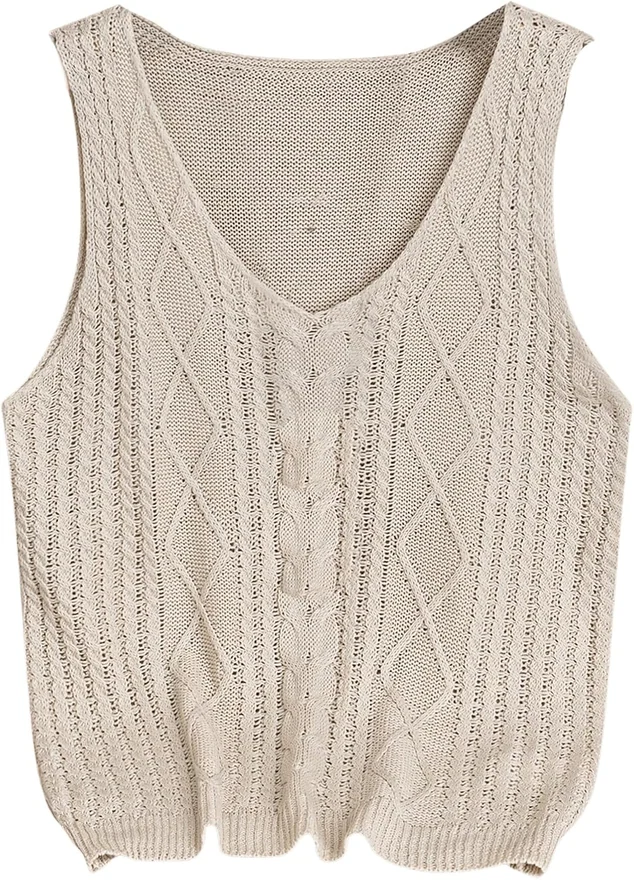
A knit from our range. The rib is the reason it stretches across the body and comes back to shape.
What our own counts look like
Splitting our own vocabulary along that line is uncomfortable in a useful way. Of the words we use most, only a few are fiber names at all.
The rest describe structure. We are not dodging the question. That is the word the cloth arrives with, and we would rather keep it than invent a fiber we cannot stand behind.
Where a piece names a fiber, the notes carry it. Where a piece names only a weave, that is what you get, and now you know why.
Sources
Read in full with our own browser on 18 September 2026. Quotations above are word for word and are checked against the saved text on every build.
- 16 CFR Part 303, Rules under the Textile Fiber Products Identification Act. Federal Trade Commission, current text in the Electronic Code of Federal Regulations. Read 18 September 2026.
This journal is about clothing, not health, money or safety. Nothing here is legal advice.